
Decluttering Clothes: Creating a Functional and Sustainable Wardrobe
Transforming Your Wardrobe
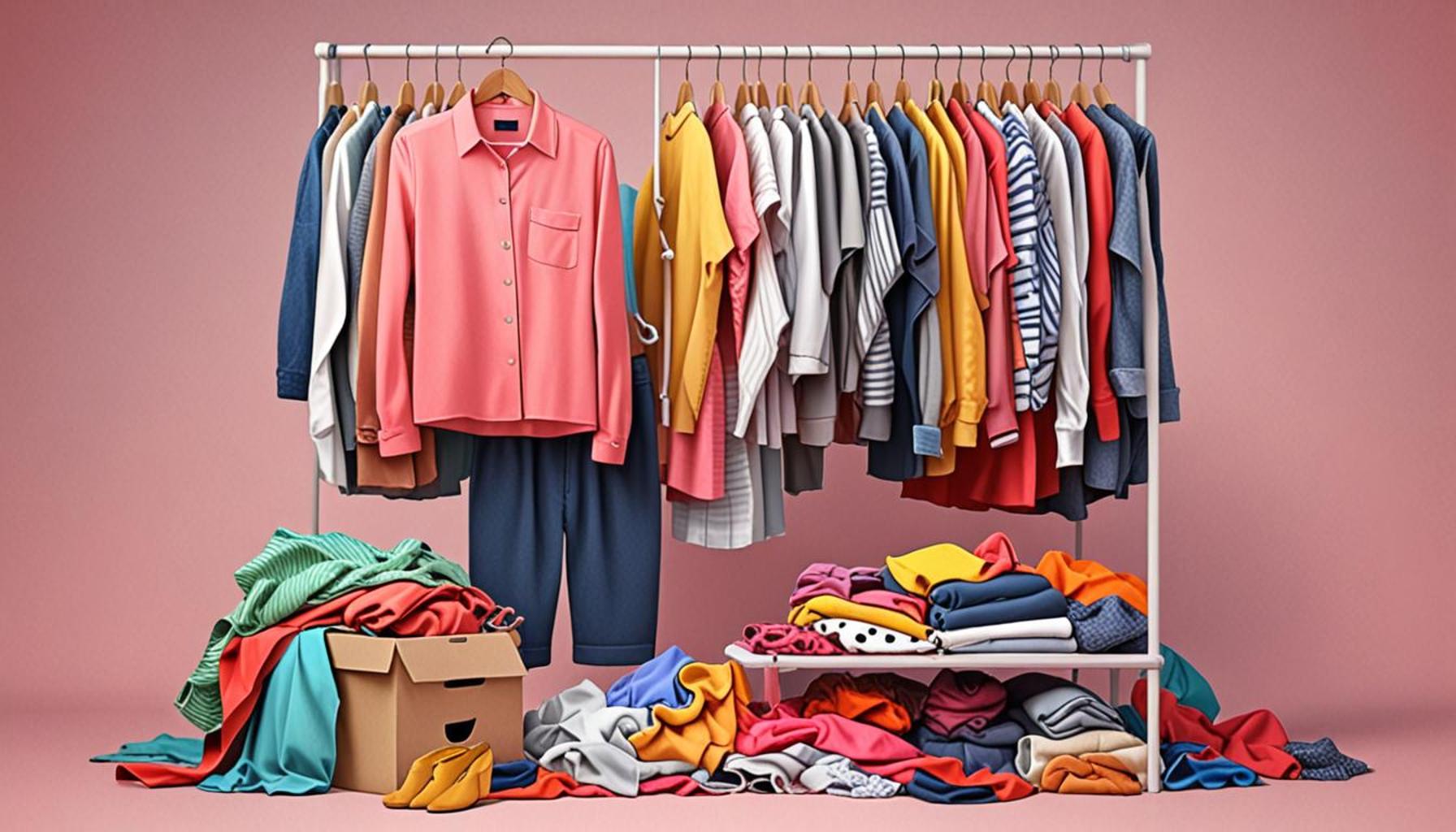
Have you ever felt overwhelmed by the sheer volume of clothes in your closet? Many people find themselves in a similar predicament, leading to frustration and inefficiency in choosing outfits. Decluttering clothes is not just about making space; it also paves the way for a functional and sustainable wardrobe.
The Benefits of Decluttering
Embracing a minimalist approach to your clothing can yield surprising benefits, including:
- Improved organization: A tidy closet makes it easier to find what you need. Imagine strolling to your wardrobe and instantly spotting your favorite top or that pair of trousers you love. This streamlined approach not only saves time but also reduces the morning stress of outfit selection.
- Mindful consumption: This practice encourages making thoughtful purchases rather than impulse buys. By curating your wardrobe thoughtfully, you’ll be less likely to indulge in fleeting fashion trends that you may wear only once. Instead, focus on items that reflect your style and can complement multiple looks.
- Environmental impact: Decluttering reduces textile waste, contributing to a more sustainable future. In Nigeria, where the fast fashion industry is growing, being conscious of your clothing choices can help combat pollution and resource depletion. By choosing to support local artisans and sustainable brands, you play a vital role in promoting eco-friendly practices.
Creating a Functional Wardrobe
As you embark on this decluttering journey, consider the following key steps:
- Assessing your needs: Analyze your lifestyle to understand what clothing is essential. Consider your daily activities, whether it’s attending work, socializing, or engaging in cultural events. For instance, if you frequently participate in traditional ceremonies, ensure you include culturally significant attire like the elegant agbada or vibrant gele that represent your heritage.
- Quality over quantity: Invest in versatile pieces that can be worn in multiple ways. A classic white shirt can be paired with a chic skirt for formal occasions or worn casually with jeans for days off. By selecting high-quality materials that withstand the test of time, you’ll save money in the long run while looking stylish.
- Embrace cultural significance: Recognize and incorporate traditional Nigerian attire that resonates with your identity. Clothing like the isi agu or the ankara print not only reflects cultural pride but also supports local artisans and economies, allowing you to wear your values.
By taking the time to declutter, you’re enhancing your personal style and aligning with sustainable practices. The journey towards a more manageable and eco-friendly wardrobe is one worth undertaking, offering both aesthetic value and ethical satisfaction. In a world increasingly conscious of environmental issues, your choices matter. Each piece of clothing can be a statement, reflecting not only your style but also your commitment to a more sustainable planet.
RECOMMENDED: Check out this similar article
Understanding the Decluttering Process
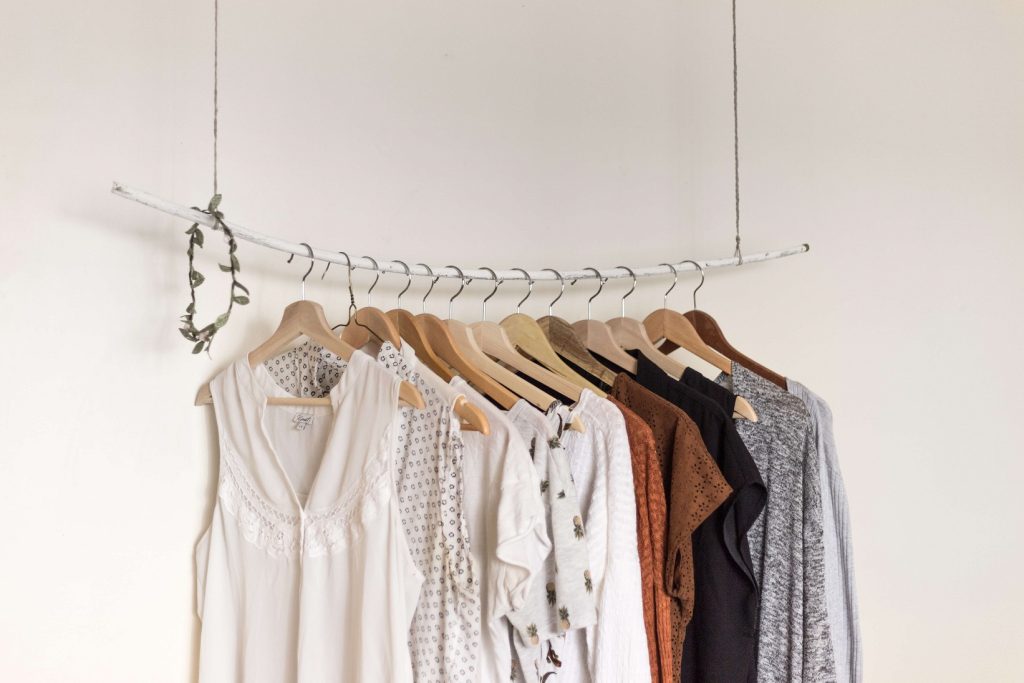
Decluttering clothes can initially seem daunting, especially when you consider the emotional attachments that often accompany our favorite garments. It’s essential to recognize that the journey to a functional and sustainable wardrobe is more than just removing unwanted items. It marks the start of a more mindful approach to fashion and consumption.
Preparing for the Declutter
Before diving into your closet, take the time to prepare both mentally and physically for the task ahead. Here are a few strategies to set the stage for an effective decluttering session:
- Create a designated space: Allocate a specific area in your home where you can sort through your clothes without distraction. This could be a spare room, your living area, or even your bedroom floor. The key is to ensure you have ample space to spread out and categorize your clothing comfortably.
- Gather essential supplies: Equip yourself with boxes or bags for sorting through your items. You might label them as ‘Keep’, ‘Donate’, ‘Recycle’, or ‘Discard’. This will aid in the organization process and ensure no piece is left unaccounted for, making it easier to reach decisions about each item.
- Set a timeframe: Depending on the size of your wardrobe, allocate a specific timeframe for the decluttering process. This will not only keep you focused but also help maintain momentum. For instance, a weekend day dedicated to this task can yield significant results, while chunking it into smaller sessions through the week can make it less overwhelming.
Evaluating Your Wardrobe
Once you’ve prepared your space, begin evaluating your clothing with a critical eye. The following questions can serve as a guide in making your decisions:
- Have I worn this in the last year? If the answer is no, consider whether there is a compelling reason to keep it. This rule of thumb helps identify items that may serve no practical purpose in your wardrobe.
- Does this fit well and suit my current style? With fashion continuously evolving, personal taste can change rapidly. Keep pieces that complement your current aesthetic and let go of those that no longer resonate with your identity.
- Is this item damaged beyond repair? Clothes that are torn, stained, or worn out might have served their time. If they can’t be repaired, consider recycling the fabric or discarding it responsibly.
Decluttering is not solely about reducing numbers; it’s about enhancing your overall wardrobe experience. Every piece you decide to keep should serve a purpose, bringing joy or utility into your life. By intentionally assessing your clothing choices, you’re not just cleaning your closet—you’re framing your wardrobe as a true reflection of your lifestyle and values.
| Advantage | Details |
|---|---|
| Increased Visibility | A well-organized wardrobe allows you to see all your clothing at a glance, making it easier to create outfits and avoid duplication. |
| Sustainability Impact | By prioritizing quality over quantity, you contribute to a more sustainable fashion cycle, reducing waste and encouraging ethical consumption. |
Creating a functional and sustainable wardrobe begins with understanding the importance of decluttering clothes effectively. When your closet is filled with pieces you rarely wear, it hinders your ability to appreciate what you truly love. A systematic approach not only revitalizes your wardrobe but can also uplift your mental state. Consider introducing a one-in-one-out policy; for every new piece you acquire, let go of an older piece. This strategy not only minimizes clutter but also reinforces mindful shopping habits. Additionally, explore the concept of capsule wardrobes, where a handful of versatile items can enhance your style without overwhelming your space. Research shows that living with less can lead to less stress and improved productivity. In the realm of sustainable fashion, every piece you choose plays a role in the larger environmental impact. By choosing wisely, you can create a wardrobe that reflects your personal style while championing sustainability.
LEARN MORE: This related article may interest you
Implementing Sustainable Practices After Decluttering
Having streamlined your wardrobe, the next step is to ensure that your remaining clothes contribute to both a functional and sustainable wardrobe. Transitioning to a more sustainable approach to fashion does not only benefit the environment but also enhances your personal style and purchasing habits. Here are several strategies to implement:
Mindful Purchasing
One of the most significant changes you can make is to adopt a policy of mindful purchasing. Before acquiring new items, consider whether the piece truly aligns with your established wardrobe goals. Here are a few tips to help foster this habit:
- Choose quality over quantity: Invest in high-quality, versatile pieces that will last longer and resist wear and tear. This approach not only saves money in the long run but also reduces waste on poorly made clothing.
- Shop secondhand: Thrift stores and online marketplaces like Jiji.ng or OLX provide an excellent opportunity to find unique items while supporting a circular economy. This practice reduces demand for new production and helps decrease textile waste.
- Research brand ethics: Support brands that prioritize sustainability, ethical labor practices, and eco-friendly materials. Many Nigerian brands are becoming increasingly focused on sustainable fashion, offering clothes made from organic or recycled materials.
Embracing Multi-functionality
A functional wardrobe should consist of pieces that can serve multiple purposes. When evaluating clothing items, consider their versatility. Here are ways to embrace multi-functionality:
- Layering: Invest in staple pieces that can be easily layered for varying weather conditions and occasions. A simple dress can transform into a chic outfit for work when layered with a blazer or made casual with a denim jacket.
- Accessorizing: Use accessories to change the look of an outfit. A scarf or jewelry can update a simple ensemble without the need for new clothing.
Regular Maintenance and Storage Solutions
The longevity of your clothing depends greatly on how you care for and store them. Implementing effective maintenance strategies is key to keeping your wardrobe functional:
- Proper cleaning techniques: Follow the care labels diligently, utilizing eco-friendly detergents. Washing clothes in cold water and air-drying can save energy and extend the life of your garments.
- Smart storage solutions: Organizing your wardrobe thoughtfully can enhance usability. Consider using storage bins or vacuum-sealed bags for off-season clothing, making it easier to access your current wardrobe. Implement a system similar to the capsule wardrobe concept, where a limited selection of items interchange to create a variety of outfits.
Creating a sustainable wardrobe doesn’t have to be challenging or overwhelming. By adopting mindful purchasing practices, focusing on multi-functionality, and maintaining your clothing, you can easily align your fashion choices with your values. Not only does this cultivate a more enjoyable wardrobe experience, but it also actively contributes to environmental preservation and responsible consumerism. In Nigeria, where fashion is both an expression and a thriving industry, embracing sustainability can set a precedent for a new generation of conscious consumers.
YOU MAY ALSO LIKE: Read read another article
Conclusion: The Path to a Sustainable Wardrobe
In conclusion, decluttering clothes is not merely a trend; it is an essential practice for anyone seeking a functional and sustainable wardrobe. Through careful assessment, you can determine which items truly serve a purpose in your life, while also making room for versatility and style. By embracing mindful purchasing, you can contribute positively to the environment and the economy. Investing in quality pieces and supporting local brands helps foster an industry that prioritizes sustainability.
The habits established during the decluttering process extend well beyond cleaning your closet. They create a ripple effect that shapes your ongoing relationship with fashion. Incorporating multi-functional pieces into your wardrobe not only enhances your personal style but also accommodates diverse occasions, making each outfit feel fresh and inspiring.
Furthermore, maintaining your clothing through proper care ensures that your treasures last longer and reduce waste. As one explores effective storage solutions, it becomes clear that convenience can harmonize with sustainability. Supporting initiatives that prioritize eco-friendly practices fosters a culture of conscience within the fashion industry.
As Nigeria continues to emerge as a vibrant hub for fashion, now is the perfect time to embrace a sustainable wardrobe. Each conscious choice contributes to a larger movement, promoting responsible consumerism and environmental stewardship. By adopting these practices, we pave the way for a future where fashion reflects both personal expression and collective responsibility, ensuring that our wardrobes remain functional, dynamic, and sustainable for generations to come.