
Declutter with the Family: Strategies to Involve Everyone in Home Organization

The Importance of Family Involvement in Home Organization
In today’s fast-paced world, a cluttered home can lead to a cluttered mind. With the hustle and bustle of daily life, it becomes increasingly vital to find effective ways to involve the entire family in home organization. A disorganized space not only hampers productivity but can also create stress and anxiety. By adopting a collaborative approach to decluttering, families can enhance the efficiency of the task while fostering unity and understanding among family members.
Benefits of Decluttering as a Family
Decluttering as a family is not only about cleaning up—it comes with a range of essential benefits. Here are three key advantages:
- Strengthens bonds through teamwork:
Working together on a project like decluttering can significantly enhance family relationships. Shared tasks encourage communication and collaboration. Whether it’s a parent and child sorting through toys or siblings deciding which clothes to donate, these moments build camaraderie.
- Teaches responsibility about personal belongings:
Involving children in the decluttering process instills a sense of accountability regarding their possessions. As they decide what to keep, donate, or discard, they learn to value their belongings and recognize their role in maintaining a tidy living space.
- Creates a sense of accomplishment when organizing shared spaces:
After a successful reorganizing effort, families can take pride in their achievements. The visible difference of a tidy home can serve as a motivational boost, highlighting the benefits of teamwork.
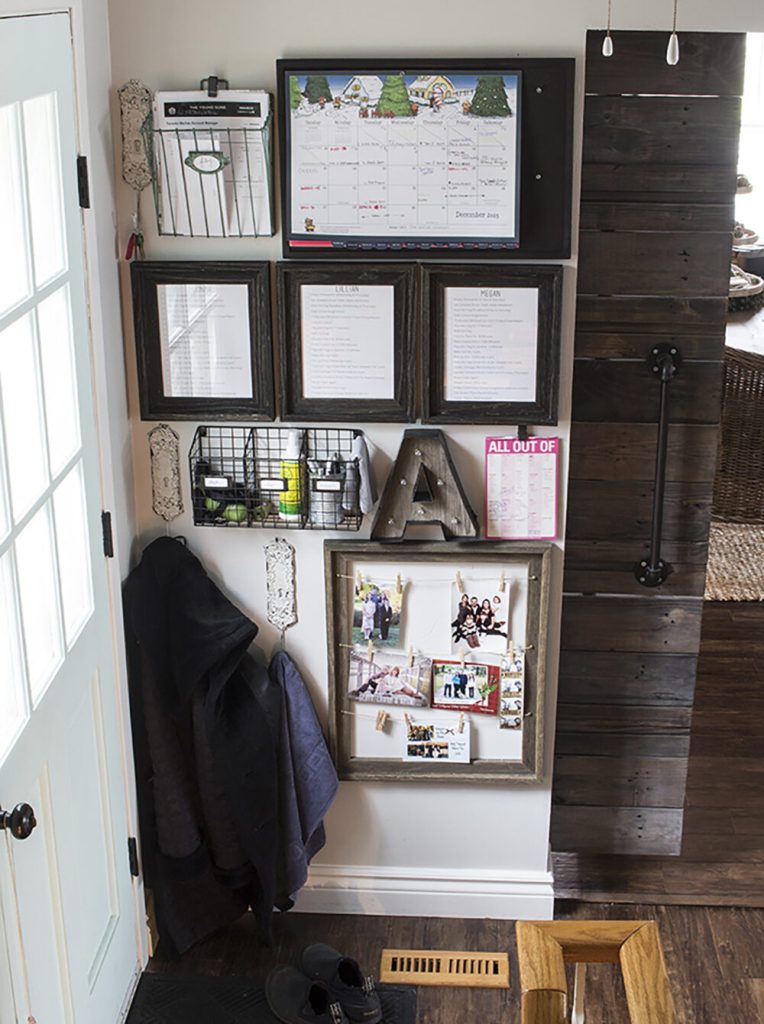
Strategies to Engage Your Family
To effectively involve everyone, consider implementing the following strategies that cater to every family member:
- Set a family decluttering day and make it a fun event. Incorporate music, snacks, and perhaps a little friendly competition to make the experience enjoyable and memorable.
- Assign specific tasks based on age and ability, ensuring everyone contributes. For instance, younger children can be responsible for sorting toys, while older family members can tackle more complex areas, like the garage or kitchen cabinets.
- Incorporate rewards or incentives, such as a family outing after a successful declutter. This not only serves as motivation but also helps the family bond over the excitement of a shared reward.
Involving everyone not only makes the task manageable but also allows for diverse perspectives on what items are truly needed in the household. With a little enthusiasm and creativity, your family can turn organization into an enjoyable experience. Remember, every little effort counts towards creating a harmonious living space filled with peace and tranquility. Embrace the journey ahead, and transform the chaos into calm—your home’s new beginning starts now!
CHECK OUT: Click here to explore more
Engaging Every Family Member in the Decluttering Journey
When it comes to home organization, engaging the entire family is crucial for a successful decluttering process. Each member, from the youngest child to the oldest adult, can play a valuable role. This inclusivity ensures that everyone feels a sense of ownership and responsibility towards the common goal of a more organized space. Research has shown that families who tackle household tasks together tend to develop stronger relationships, as the process fosters communication and understanding.
Customized Involvement for All Ages
To make decluttering effective, it’s essential to tailor tasks based on the ages and abilities of your family members. Here are some strategies to maximize involvement:
- Preschoolers: Engage the youngest family members by turning sorting into a game. Ask them to gather toys or books they no longer play with and create a “donation box.” This simple activity teaches them about sharing and generosity.
- School-age Children: For older children, assign them the task of organizing their own rooms. To make it fun, encourage them to create a “Keep, Toss, or Donate” system. This not only provides structure but also empowers them to make decisions regarding their belongings.
- Teenagers: For teenagers, incorporate technology into decluttering. Encourage them to sell their unused items online or utilize social media to inform friends about available items. This integration of technology can make the decluttering process feel more relevant to their lives.
- Adults: Adults can take on larger responsibilities, such as tackling communal spaces like the living room or kitchen. By leading these efforts, they instill important lessons about organization and teamwork in younger family members.
Creating an environment where everyone feels valued can greatly enhance their enthusiasm for the task. It is crucial to communicate openly about the benefits of decluttering, emphasizing how a tidy space can lead to a more peaceful home life. This not only helps in understanding the importance of organization but also encourages each family member to contribute.
Celebrating Small Victories
As your family embarks on this decluttering journey, celebrate small victories along the way. Whether it’s finishing a cluttered room or successfully donating items, recognizing these achievements boosts morale and reinforces the habit of organization. Plan a small family gathering or treat to commemorate the efforts, which can further solidify the sense of accomplishment and unity.
Incorporating these engaging and age-appropriate strategies into your decluttering routine can significantly impact your family’s willingness to participate. By fostering an inclusive atmosphere, you’re not only achieving a clutter-free home but also nurturing deeper family bonds in the process. As you embark on this journey, remember that every little bit of effort counts toward creating a serene and organized living space, setting the stage for a more harmonious home life.
| Category | Advantages |
|---|---|
| Family Involvement | Encourages teamwork and fosters a sense of community at home. |
| Shared Responsibility | Distributes tasks evenly, making organization sustainable and less overwhelming. |
| Life Skills Development | Kids learn essential organizational skills that will benefit them in school and beyond. |
| Enhanced Bonding | Working together on home organization fosters stronger family relationships. |
| Motivation Through Strategy | Game-like approaches make decluttering fun and engaging for everyone. |
Engaging the entire family in the decluttering process transforms a daunting task into a fun and collaborative effort. By involving children and relatives in home organization, parents not only lighten their workload but also cultivate shared responsibility, instilling a sense of ownership and commitment among family members. Furthermore, teaching children essential life skills such as sorting and categorizing boosts their confidence and helps develop their independence.Incorporating strategies such as game-like challenges or family competitions during the decluttering phase can spark excitement and motivation. Each family member can take on specific roles, allowing for an organized approach that’s less overwhelming. The outcome is not just a tidy home, but a stronger familial bond forged through the shared experience of working towards a common goal. This unique synergy lays the groundwork for lasting habits of organization that can serve families well in their journey through life.
ADDITIONAL INSIGHTS: Expand your understanding here
Making Decluttering an Ongoing Family Tradition
Transforming decluttering from a one-time event into a family tradition can greatly enhance your home organization efforts. By embedding this practice into your family’s routine, you instill lifelong skills that will benefit everyone involved. Regular de-cluttering sessions not only keep your home neat but also teach children the value of minimalism and organization from a young age. Emphasizing that home organization is a continuous journey and not a destination can foster a sustainable mindset for your family.
Creating a Decluttering Schedule
One effective way to make decluttering a regular activity is by establishing a decluttering schedule. For instance, choose a specific day each month or a designated weekend each season to dedicate to home organization. You might align this with local traditions such as spring cleaning, which resonates well in many Nigerian cultures. By doing this, family members know when to expect these activities and can mentally prepare for their participation.
- Monthly Mini-Declutters: Implement quick sessions where family members can collectively identify items to keep, donate, or discard. This could be as simple as a quick evening tidy-up of each member’s personal space.
- Seasonal Deep Cleans: At the start of each season, conduct a thorough assessment of belongings. Use this opportunity to swap clothes and items based on seasonal needs, such as heavy jackets during Harmattan or lighter clothing in the rainy season.
- Annual Family Review: Once a year, involve the whole family in a comprehensive reevaluation of possessions. This can include emotional stories tied to certain items, making it easier for everyone to part with those that no longer serve a purpose.
Involving every family member in these scheduled sessions creates a sense of anticipation and cooperation. Making it a fun ritual can help cultivate a community spirit that reflects your commitment to a more organized home environment.
Utilizing Challenges and Incentives
To further encourage participation, consider incorporating fun challenges or friendly competitions into the decluttering process. Competitions can effectively maintain engagement and enthusiasm, particularly for children and teenagers. For example, set a timer for 15 minutes and see who can declutter the most items from their room within that time or create custom charts to track contributions during each decluttering session.
Incentives can also be a powerful motivator. Reward families with simple treats or privileges after a successful decluttering day. For instance, after a hard-fought decluttering session, allow everyone to enjoy a movie night or a family outing. Positive reinforcement through rewards builds excitement and reinforces the importance of maintaining an organized living space.
Learning about Donation Impact
Educating family members about the impact of their decluttering efforts can promote a deeper understanding of sharing and community involvement. Discuss how donated items contribute to local charities or can benefit other families in need. Connecting the act of decluttering to real-world benefits nurtures empathy and accountability among family members, allowing a more profound sense of purpose behind their contributions.
By making decluttering a shared responsibility, creating a schedule, hosting challenges, and educating your family on the significant impact of their organization efforts, you set the groundwork for both a cleaner home and a more unified family. These strategies not only foster organizational skills but also cultivate emotions of compassion and teamwork, enriching family life in multiple dimensions.
YOU MAY ALSO LIKE: Read read another article
Conclusion: Embracing Decluttering as a Family
In conclusion, the journey of decluttering with the family transcends mere organization; it fosters unity, understanding, and valuable life skills among all members. By implementing a structured approach, such as creating a decluttering schedule and incorporating engaging challenges, families can turn a daunting task into an enjoyable routine that everyone looks forward to. This not only averts the buildup of clutter but also enables each member to take ownership of their space, promoting accountability and teamwork.
Moreover, teaching the impact of donations fosters a sense of community and responsibility, reminding family members that their contributions can significantly enhance the lives of others. Through these meaningful connections, decluttering evolves into a shared mission filled with lessons of empathy, sustainability, and personal growth.
As families in Nigeria and beyond engage in these practices, they cultivate environments that reflect their values and aspirations. Whether it’s making space for the tangible or the intangible, the act of decluttering becomes a rich opportunity for growth, celebration, and creativity. By embracing these strategies, you not only ensure a cleaner home but also strengthen familial bonds, paving the way for a harmonious living space steeped in love and organization. So gather your family, set a date, and embark on this fulfilling journey of home organization together; the rewards await!