Creating Simplified Spaces: The Impact of Minimalism on Personal Organization

The Shift Towards Simplicity
With the relentless influence of consumer culture, many individuals find themselves overwhelmed by possessions and frenetic lifestyles. The rise of minimalism serves as a clarion call, inviting people to rethink what truly matters in their lives. Embracing this lifestyle involves stripping away the unnecessary to focus on what enhances daily existence. For instance, by condensing wardrobes to essential pieces, one not only minimizes clutter but also streamlines choices each day, making personal grooming a quicker and more enjoyable process.
The Transformative Effects of Minimalism
At its core, minimalism is about reorganization and rejuvenation. This philosophy promotes significant improvements in personal organization that go beyond mere aesthetic appeal. Here are several key features that highlight the benefits:
- Reduced Clutter: A minimalist lifestyle effectively leads to reduced mess and chaos. By choosing to keep only what is essential, individuals can easily locate important items, reducing time wasted in searches. In busy Nigerian households, where space can often be at a premium, this aspect is particularly advantageous.
- Increased Focus: Fewer distractions within one’s environment foster a deeper concentration on tasks at hand. For example, Nigerian students studying amidst the hubbub of family life may find that a simplified study space helps them to focus better on their coursework, increasing academic performance.
- Enhanced Well-being: The peace of a simpler environment can significantly lower stress levels and contribute to overall improved mental health. Research shows that less clutter equates to less stress, helping individuals cope better with the challenges of everyday life.
Minimalism in the Nigerian Context
In the fast-paced environment of cities like Lagos or Abuja, where the demands of urban life can create overwhelming chaos, the minimalism trend is gaining traction. As people navigate the daily hustle, the appeal of creating simplified spaces is being recognized not only for its aesthetic quality but also for its capacity to foster a more organized and productive lifestyle.
Local initiatives and workshops are emerging, teaching techniques for decluttering and organizing spaces effectively. Many Nigerians are sharing their journeys on social media platforms, documenting how a minimalist approach has transformed their homes and routines. For instance, a family in Ibadan may share tips on maximizing small living spaces through smart storage solutions, inspiring others to adopt similar practices.
As the conversation around personal organization evolves, minimalism offers invaluable insights into achieving balance amidst chaos. By identifying essentials, individuals can carve out a tranquil living space that nurtures personal growth and efficiency, ultimately leading to enhanced quality of life. As you explore this minimalist approach, consider how these principles can reshape your surroundings, paving the way for a more intentional and fulfilling existence.
SEE ALSO: Click here to read another article
Embracing the Minimalist Mindset
To fully appreciate the impact of minimalism on personal organization, one must first understand the mindset that accompanies this lifestyle change. Minimalism transcends simple decluttering; it is a conscious choice to live with intention and identify the elements that genuinely enrich one’s life. This mindset can be particularly transformative in environments marked by high demands, such as the bustling streets of Lagos or the busy marketplaces of Kano.
The Process of Decluttering
Decluttering is often the first step in embracing a minimalist lifestyle. It involves more than just discarding your possessions; it requires an introspective evaluation of what each item adds to your life. The following steps can guide individuals in implementing minimalism through effective decluttering:
- Assess Your Possessions: Begin by categorizing items into groups—essentials, sentimental, and non-essential. This classification fosters clarity on what is truly needed and what can be removed.
- Set Clear Goals: Establish what a simplified space means for you. This could be a tidy workspace that supports productivity or a serene living area that promotes relaxation. Define your objectives to remain focused during the decluttering process.
- Adopt the “One In, One Out” Rule: To prevent clutter from reaccumulating, consider embracing the “one in, one out” principle. For every new item brought into your home, commit to letting go of another. This helps maintain balance and reinforces mindful consumption.
- Purge Regularly: Make a habit of periodically assessing your living space. Setting aside time each month to evaluate your belongings can help keep clutter at bay and reinforce the minimalist mindset.
The Role of Technology in Minimalism
In today’s digital age, technology can greatly assist in achieving minimalist personal organization. Digital tools such as task management apps, cloud storage solutions, and digital note-taking services can help cut down on physical clutter. People can opt for digital documents instead of printing, reduce the number of physical books by utilizing e-readers, and streamline their finances by opting for digital banking options. In Nigeria, several apps have emerged that cater specifically to local needs, allowing for swift organization and management of personal affairs in just a few taps.
By integrating technology into minimalism, individuals can simplify their workflow while retaining accessibility to important information and resources. This thoughtful approach not only conserves physical space but encourages individuals to develop a streamlined mindset towards their daily tasks.
Ultimately, adopting a minimalist approach can greatly enhance personal organization, encouraging a sense of calm and clarity amid the chaos of everyday life. Recognizing the value of simplicity can lead to profound shifts in both personal and professional spaces, encouraging Nigerians to lead more intentional lives while fostering a culture of mindfulness towards our possessions.
| Advantage | Description |
|---|---|
| Increased Focus | The minimalist approach reduces distractions, allowing individuals to concentrate better on tasks. |
| Easier Decision-Making | With fewer items to consider, making choices becomes more straightforward, saving valuable time. |
| Enhanced Well-Being | Living in a simplified space promotes mental clarity and reduces stress levels. |
| Streamlined Organization | Minimalism encourages a systematic approach to personal organization, resulting in greater efficiency. |
In recent years, the trend towards minimalism has surged, reflecting a deeper societal longing for simplicity in our lives. The focus is not merely on decluttering spaces but also on fostering a mindset that values intentionality. Minimalism urges individuals to evaluate their possessions and prioritize quality over quantity. This shift not only impacts personal organization but also enhances productivity by fostering environments that are conducive to focus.Moreover, minimalist designs are not just visually appealing; they often incorporate functional elements that integrate seamlessly into everyday life. By adopting a minimalist approach, individuals can cultivate a sense of control over their environments, which translates into tangible benefits such as increased motivation to keep spaces organized. These principles apply not only to physical spaces but also play a crucial role in digital organization, making it easier to navigate our increasingly complex lives.
SEE ALSO: Click here to read another article
Designing Functional Minimalist Spaces
Beyond the mindset and decluttering process, the design of physical spaces plays a vital role in embracing minimalism. A well-designed, simplified environment can significantly influence not only personal organization but also mental well-being. When individuals in Nigeria curate their spaces with a focus on functionality and simplicity, they cultivate an atmosphere conducive to productivity and peace.
The Essentials of Space Planning
Effective space planning is foundational in minimalism and involves strategically arranging elements to enhance usability and accessibility. Here are key considerations for designing functional minimalist spaces:
- Maximize Natural Light: Letting in natural light can make any area feel more open and inviting. Large windows, light-colored walls, and reflective surfaces can help to illuminate spaces, which is particularly important in urban environments like Lagos, where natural light can counteract the feeling of cramped living situations.
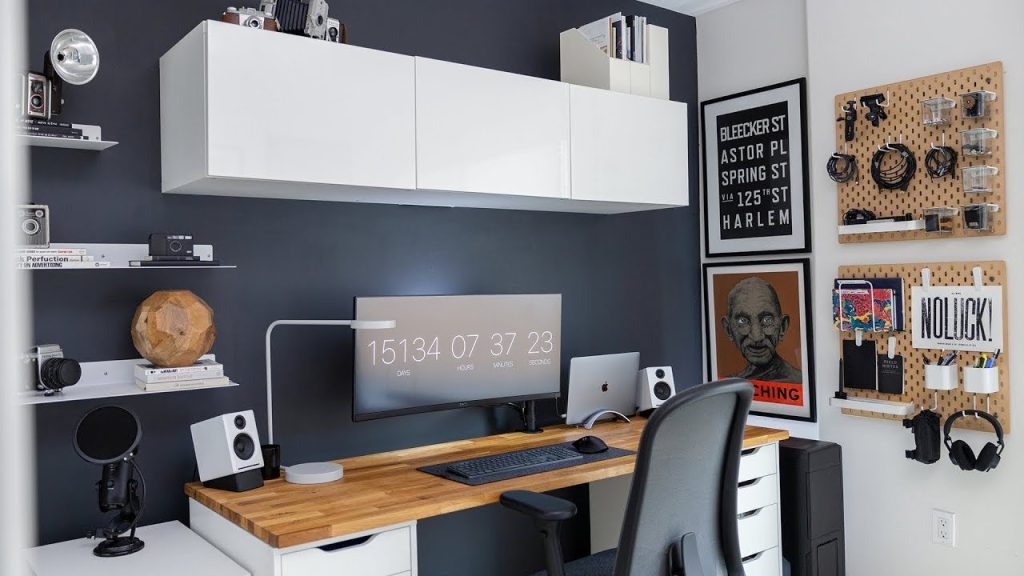
- Incorporate Multi-Functional Furniture: Choose furniture pieces that serve multiple purposes, such as a coffee table with storage or a foldable desk. This approach reduces the amount of furniture needed, allowing spaces to remain uncluttered while still providing comfort and functionality.
- Establish Defined Zones: Concepts such as defining work areas, relaxation corners, or creative zones can promote effective organization. Consider using rugs or furniture arrangements to demarcate different sections, which can be especially beneficial in small homes.
- Simplify Color Palettes: Utilizing a limited color palette conveys a sense of calmness and cohesion. Neutral tones, punctuated with soft hues, can create an airy and seamless look that enhances the minimalist aesthetic.
The Psychological Benefits of Minimalism
While the tangible benefits of minimalism on personal organization are evident, the psychological advantages often draw interest. Studies have shown that a clutter-free environment leads to reduced stress and anxiety levels. In Nigeria, where fast-paced lifestyles and economic challenges can weigh heavily on individuals, the adoption of minimalist practices can bring valuable relief. By eliminating visual clutter, people can focus more clearly on the present moment, ultimately boosting concentration and creativity.
Furthermore, creating simplified spaces fosters a strong sense of control over one’s environment. When individuals curate their surroundings to reflect only what is necessary and meaningful, they often experience increased satisfaction in both their personal and professional lives. This feeling of empowerment can ripple outward, influencing interpersonal relationships and overall life satisfaction.
The impact of minimalism extends beyond individual houses; it can also reshape communal spaces such as offices and marketplaces. For instance, businesses in Nigeria adopting minimalist principles often witness improved customer experiences. Simplified layouts and streamlined processes in retail spaces can make shopping more pleasant for consumers, thus enhancing overall organizational efficiency.
By cultivating multifunctional spaces that prioritize simplicity and ease of use, individuals and businesses alike can achieve a heightened state of organization that incorporates practicality without sacrificing comfort or style. Embracing minimalism as a means to design and improve personal spaces not only leads to greater efficiency but also encourages a more reflective lifestyle that aligns with individuals’ deeper values and aspirations.
RECOMMENDED: Check out this similar article
Final Thoughts on Embracing Minimalism
As we navigate the complexities of modern life, embracing minimalism has emerged as a powerful tool for personal organization and mental clarity. The journey toward creating simplified spaces is not merely about decluttering but also about instilling intentionality into our surroundings. In Nigeria, where vibrant cultures and bustling lifestyles coexist, adopting a minimalist approach can facilitate improved focus and productivity, ultimately enhancing overall well-being.
The impact of minimalism transcends individual preferences; it fosters environments where functionality reigns supreme. Whether through maximizing natural light, opting for multifunctional furniture, or establishing defined zones, each choice contributes to a greater sense of calm and control. This deliberate arrangement of space not only alleviates stress but also cultivates creative thinking and satisfaction in both personal and professional realms.
Moreover, as businesses in Nigeria begin to recognize the benefits of minimalist principles, we see a ripple effect that enhances customer experiences and operational efficiency. Simplified layouts enable consumers to interact more freely with products and services, reflecting an increasingly organized society that prioritizes functionality without compromising on aesthetics.
In conclusion, the essence of minimalism lies in its ability to promote a lifestyle that aligns with our core values and aspirations. By transforming our spaces into simplified sanctuaries, we not only enhance personal organization but also inspire a broader cultural shift toward mindful living. The journey is ongoing, but each step taken in the direction of minimalism is a step toward greater clarity, peace, and empowerment in our everyday lives.