Create Functional Spaces Practical Tips to Simplify Your Environment
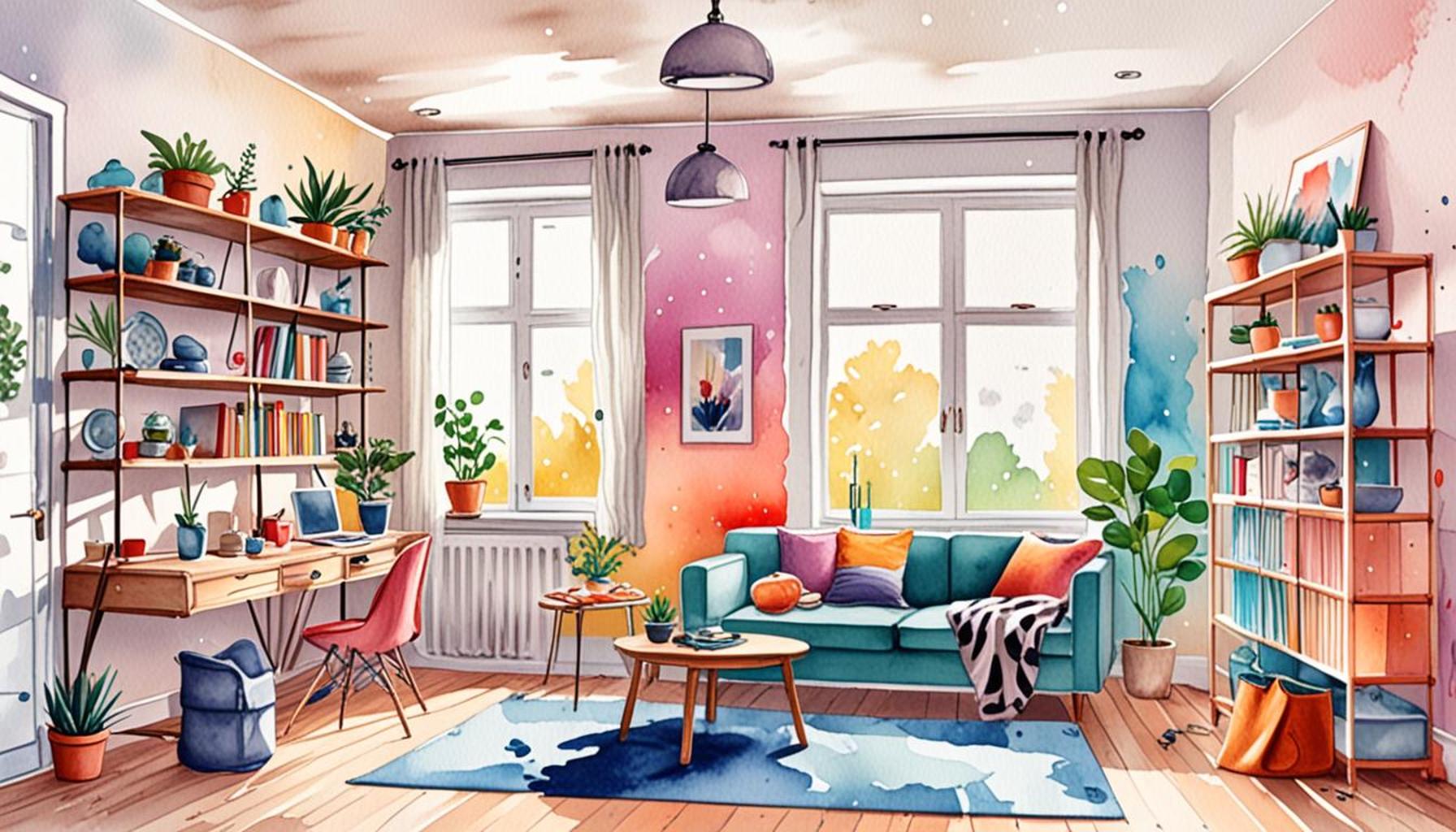
In today’s fast-paced world, the concept of minimalism has gained significant traction as individuals seek ways to combat clutter and chaos in their lives. Creating functional spaces is not just about aesthetics; it’s a vital practice for enhancing productivity and well-being. By simplifying your environment, you can achieve greater focus and tranquility.
Embracing this philosophy means looking beyond mere tidiness. It involves a deep understanding of how your surroundings impact your mental and emotional state. Here are some important reasons why you should pay attention to your space:
- Improved focus and productivity in a decluttered environment.
- Reduced stress levels when surrounded by organized spaces.
- Increased creativity by fostering a harmonious ambiance.
To assist you in this journey toward a more functional and simplified environment, we’ve compiled a list of the top 5 practical tips to consider. Each tip is designed to help you evaluate your space and implement changes that lead to a more organized and peaceful lifestyle.
Top 5: Creating Functional Spaces – Practical Tips to Simplify Your Environment
In today’s fast-paced world, where clutter and chaos can easily take over our lives, the importance of a streamlined and functional space cannot be overstated. A well-organized environment not only enhances productivity but also clears our minds, allowing for greater mental clarity. At the heart of achieving such clarity lies the principle of minimalism—a movement that prioritizes simplicity and purpose over excess and distraction. Below are the top five expert tips for transforming your surroundings into functional sanctuaries, ranked for your convenience from effective to most transformative. These strategies will help in converting your environment into a hub of efficiency and calmness.
5. Declutter Regularly
Our journey into creating functional environments begins with a simple yet powerful principle: decluttering regularly. Many individuals have a natural inclination to hold onto things, whether due to sentimental reasons or perceived utility. Yet, it’s important to recognize that excessive possessions often lead to visual noise, which can diminish focus and increase anxiety. To combat this, consider developing a bi-monthly routine where you critically evaluate items within your space. Here’s a helpful process you can follow:
- Evaluate Usage: Consider whether the item is something you use frequently. Items that serve no immediate or regular purpose may be prime candidates for removal.
- Purpose and Joy: Ask yourself if each item serves a functional purpose or brings you joy. Items that do neither can be clutter.
- Reusability by Others: Reflect on whether someone else might benefit more from the item. This perspective not only helps in decluttering but offers a feel-good factor by aiding others.
By maintaining a regular decluttering schedule, you can release unnecessary visual distractions and make room for items that truly enrich your life, thus simplifying your space and mind.
4. Implement Smart Storage Solutions
Moving to the next level of organization, we encounter the importance of smart storage solutions. A space filled with necessary yet unsorted items can easily become cluttered. The secret to avoiding this is employing storage solutions that are both aesthetically pleasing and efficient in space utilization. Consider these creative storage ideas:
- Under-Bed Storage: Ideal for storing off-season clothing, under-bed storage utilizes space that often goes overlooked.
- Multi-Functional Furniture: Opt for pieces like ottomans with hidden compartments or bed frames with built-in drawers, providing both utility and design.
- Wall Shelves: By using vertical space, wall shelves not only keep floors clear but provide an opportunity to showcase decorative pieces and books.
These strategies can transform your home by organizing essentials and adding a touch of style, making your overall space cleaner and more efficient.
3. Create Defined Zones
Another step towards a functional environment is the art of creating defined zones within your home. Whether you’re living in a studio apartment or a spacious house, having clearly demarcated areas for different activities can significantly bolster productivity and enhance comfort. These strategies can help:
- Use of Rugs: Employing rugs as visual boundaries can separate spaces, such as dining and living areas, making them feel more defined in open-plan layouts.
- Furniture Placement: Thoughtful arrangement can create natural divisions between various zones without the need for physical walls.
- Designated Area for Activities: By assigning specific spaces for activities like reading, working, or relaxing, you minimize distractions and increase focus.
By establishing these zones, you cultivate a sense of order and function that enhances the ability to switch mindsets and tasks effortlessly within your home environment.
2. Embrace Natural Light
Nothing elevates a space quite like the presence of natural light. Its benefits extend beyond just aesthetics, as it plays a crucial role in our psychological well-being and productivity levels. Embracing natural light can be simple yet effective with the following techniques:
- Sheer Curtains: Utilize transparent or semi-transparent curtains that allow sunlight penetration while maintaining privacy.
- Mirrors for Reflection: Position mirrors opposite windows to reflect and amplify sunlight, rejuvenating dim areas.
- Clean Windows: Maintaining clean windows ensures that maximum sunlight can enter, enhancing brightness within your space.
Incorporating more natural light not only helps in reducing energy costs but also invites warmth, positivity, and vitality into your surroundings, making any space feel more inviting and lively.
1. Adopt a Minimalist Mindset
At the pinnacle of our list is the transformative concept of adopting a minimalist mindset. This philosophical shift isn’t just about reducing physical possessions. It’s an overarching approach to life that champions simplicity, intentionality, and awareness. Here are some key practices to adopt:
- Replacement Over Accumulation: For every new item brought into your space, let go of something that no longer serves you to avoid accumulation.
- Quality Over Quantity: Invest in high-quality, durable items that fulfill multiple functions, reducing the overall need for more belongings.
- Mindful Additions: Before introducing anything new into your environment, contemplate its necessity and impact on your lifestyle.
Adopting minimalism fundamentally reshapes your interaction with your surroundings. It encourages thoughtful consumption and instills purpose and clarity in both physical and mental spaces. When practiced holistically, it leads to a more peaceful, intentional, and fulfilling life.
In conclusion, creating functional spaces is not merely an organizational endeavor, but a lifestyle choice that yields deep satisfaction and improved quality of life. By following a structured path from decluttering to minimalism, you can design an environment that truly supports your goals and well-being. Begin today, and watch how a simplified space invites tranquility and productivity into your life!
| Category | Details |
|---|---|
| Space Optimization | Utilizing vertical space, multi-functional furniture, and strategic layouts can maximize the use of available space. For instance, installing shelves above furniture or using collapsible tables can create more usable areas without cluttering the room. |
| Decluttering Techniques | Implementing the two-year rule can significantly simplify your environment. If an item hasn’t been used in the last two years, consider donating or discarding it. This approach reduces clutter and promotes a sense of calm in your space. |
| Color Psychology | The colors you choose for your space can affect your mood and productivity. Soft neutrals can create a calming atmosphere, while vibrant hues may energize a workspace. Understanding how colors interact can help in crafting an environment tailored to your needs. |
| Smart Storage Solutions | Incorporating innovative storage solutions, such as under-bed storage bins, wall-mounted organizers, and modular furniture, can keep your space organized and functional. These solutions not only keep items hidden but also add to the decor aesthetic. |
Frequently Asked Questions: Simplifying Your Space
What are some quick tips for creating a functional environment in a small space?
Creating a functional environment in a small space can be challenging, but it is not impossible. Begin by prioritizing essential furniture and decor that serve multiple purposes. For instance, consider a sofa that converts into a bed or a table with built-in storage. Implement vertical storage solutions like shelves and hooks to maximize space utilization without overcrowding. Consider the use of mirrors too; they can make a room feel larger and brighter. Remember, the goal is to maintain balance and fluidity in movement around the room.
How can minimalism contribute to a more functional living space?
Minimalism emphasizes reducing clutter and keeping only what is essential, which inherently promotes functionality. By decluttering, you remove unnecessary items that take up space both physically and visually. This creates a clearer perspective and allows easier access to what truly matters. Additionally, minimalism encourages intentionality in purchasing decisions, which means investing in high-quality, functional items that offer longevity and efficiency. The minimalist approach can reduce stress and improve productivity within your living environment.
What role does lighting play in the functionality of a space?
Lighting is a crucial aspect of functionality in any space. Adequate lighting not only aids in enhancing visibility but also contributes to the mood and efficiency of a room. Multifunctional spaces benefit immensely from layered lighting – this includes a combination of ambient, task, and accent lighting. For instance, a well-lit kitchen with under-cabinet lights can improve cooking efficiency, while dimmable lamps in the living room offer soft lighting for relaxation. Natural light should also be maximized whenever possible, as it can improve well-being and create a welcoming atmosphere.
Are there any specific colors recommended for promoting a functional atmosphere?
Colors can significantly influence the functionality and feel of a space. Neutral and light colors, such as whites, beiges, and subtle pastels, can make a room appear larger and more open. They serve as a versatile backdrop that allows for easy modification with seasonal accessories or decor. Moreover, these hues promote calmness and focus, which are key elements in productive environments. While bold colors can be used as accents, it is advisable to apply them mindfully to avoid overwhelming the senses.
Conclusion: Creating Functional Spaces for a Simplified Life
In today’s fast-paced world, the pursuit of minimalism and effective personal organization has become essential for many seeking to create harmonious living environments. This article has provided actionable tips that underscore the importance of simplifying spaces to foster clarity and efficiency.
Firstly, understanding the significance of decluttering cannot be overstated. By eliminating unnecessary items, we not only clear physical space but also promote mental clarity. Integrating multi-functional furniture offers practical solutions in maximizing the utility of limited areas, ensuring both functionality and aesthetic appeal.
The strategic use of natural light has emerged as a vital element in enhancing the overall ambiance of a space, unlocking potential transformations in mood and energy. Moreover, adopting a cohesive color palette aids in creating a seamless flow between rooms, fostering a sense of unity and peace.
A deliberate and thoughtful approach to storage solutions, tailored to individual needs, bolsters organization efforts and prevents the recurrence of clutter. Above all, the commitment to continuously reassessing and adjusting one’s space aligns with the core principles of minimalism, encouraging self-awareness and the cultivation of mindful living practices.
Ultimately, the journey towards creating functional spaces is as much about self-discovery and personal growth as it is about organization. By embracing these principles, individuals can transform their environments into sanctuaries that nurture creativity, efficiency, and tranquility. As the world evolves, so too should our commitment to crafting spaces that reflect and support our best selves. Let this guide serve as a stepping stone towards further exploration and innovation in the art of minimalist living.