
Digital Minimalism: Managing Time Through Reducing Technological Resources

Understanding Digital Minimalism
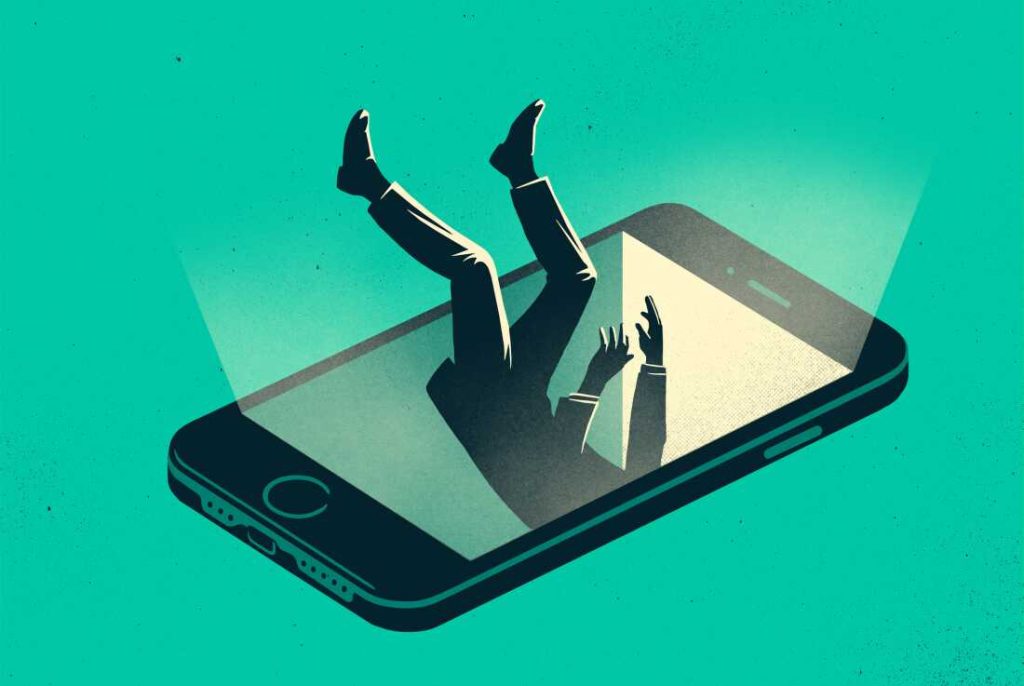
In our hyper-connected society, the constant barrage of notifications, messages, and social media updates can be overwhelming. The concept of digital minimalism emerges as a solution—a conscious choice to simplify and streamline our digital experiences. This approach involves not only reducing screen time but also focusing on how we interact with technology to enhance our overall quality of life.
What is Digital Minimalism?
Digital minimalism transcends the idea of merely cutting down on the time spent online. It advocates for a deliberate and thoughtful engagement with technology. This philosophy encourages users to assess their digital habits and prioritize which apps and platforms are truly beneficial. Key principles include:
- Prioritizing the essential apps and platforms: Determine which digital tools genuinely improve productivity or provide value, such as essential communication tools or productivity apps, while eliminating those that consume more time than they are worth.
- Setting specific usage limits for devices: Create clear boundaries around technology use, such as designating “tech-free” hours each day or employing apps that track and limit screen time.
- Engaging in more offline activities: Balance online engagement with offline experiences, like participating in local cultural events, reading books by Nigerian authors, or exploring community markets that celebrate local craftsmanship and traditions.
For instance, many individuals in Nigeria are rediscovering the joy of physical books, attending village festivals, or taking leisurely strolls in vibrant markets. These activities not only foster community ties but also offer a refreshing departure from the incessant scrolling that characterizes much of the digital experience.
Benefits of Digital Minimalism
Adopting a digital minimalist lifestyle yields multiple advantages that can reshape personal and professional experiences. Some notable benefits include:
- Increased productivity: By concentrating on significant tasks without distractions, individuals often find that they can focus better and accomplish more in less time.
- Improved mental clarity: With fewer distractions, the mind can engage in deeper thinking and creativity, facilitating better problem-solving skills.
- Enhanced connections: Prioritizing face-to-face interactions leads to stronger relationships with friends and family, creating meaningful experiences and reducing feelings of isolation that excessive digital engagement can foster.
As you navigate your own digital landscape, consider how adopting principles of digital minimalism might open new avenues for personal growth and fulfillment. This journey, grounded in intentionality and balance, could prove to be both enlightening and transformative amidst the clamor of an ever-connected world.
ADDITIONAL INSIGHTS: Expand your understanding here
Embracing Digital Minimalism for Enhanced Time Management
As the digital world continues to evolve, individuals across Nigeria are increasingly recognizing the need to manage their time effectively in the face of overwhelming technological resources. Embracing the principles of digital minimalism not only promotes a healthier relationship with technology, but it also cultivates a lifestyle where quality takes precedence over quantity. Understanding the strategies of digital minimalism can be instrumental in reclaiming valuable time, which might otherwise be lost to endless scrolling and digital distractions.
Identifying the Digital Clutter
For many, the first step towards digital minimalism is recognizing the sources of digital clutter that interrupt their daily lives. Nigerian users often find themselves inundated with notifications from various social media platforms, emails, and countless app alerts. This constant influx can lead to what some psychologists refer to as “digital overwhelm,” a state that hinders productivity and solace. By identifying which technologies demand attention and which valuable time could be redirected elsewhere, individuals can chart a more purposeful path forward.
Consider the following factors when assessing your digital habits:
- Frequency of Use: Monitor how often you engage with different applications and platforms. Are they serving a meaningful purpose or merely filling time?
- Impact on Mental Well-being: Reflect on how specific technologies affect your mood and focus. Do certain platforms contribute to anxiety or stress?
- Value of Information: Evaluate whether the content consumed online enriches your life or creates unnecessary distraction.
Building a Personalized Technology Routine
Once individuals have identified their digital triggers, the next step is to construct a personalized technology routine that aligns with the principles of digital minimalism. This practice encourages users to be intentional about their technology interactions, ultimately leading to enhanced life satisfaction. Here are several actionable strategies to consider:
- Digital Detox: Engage in a short-term digital detox by designating specific periods (e.g., a weekend) to disconnect from all non-essential devices. This cleanse can illuminate the true value of offline experiences.
- Routine Optimization: Create a technology routine that aligns with your daily goals. Dedicate specific blocks of time for checking emails, browsing social media, and engaging in productive work to ensure focused usage.
- Engaging with Purpose: Instead of randomly scrolling through news feeds, consider setting specific objectives for your digital engagement, such as learning a new skill through dedicated online courses relevant to your professional growth.
As you begin to implement these strategies, remember that the goal of digital minimalism is to prioritize what truly matters in your life. This intentional approach to technology can lead to a more enriched and fulfilling existence, inviting opportunities for connections, creativity, and meaningful engagements outside the confines of the digital realm.
In our ever-connected world, Digital Minimalism emerges as a powerful philosophy aimed at enhancing personal productivity and well-being by advocating for the intentional use of technology. This approach encourages individuals to critically assess their digital habits and pare down unnecessary technological resources that often consume valuable time and energy. By focusing on what truly adds value to one’s life, digital minimalism promises not just a reprieve from constant distractions, but also fosters a more intentional and fulfilling lifestyle.
One compelling aspect of this movement is its emphasis on prioritizing real-life relationships over digital interactions. In a hyper-connected age, meaningful friendships often take a backseat to online engagements. Embracing digital minimalism allows individuals to reconnect with loved ones, cultivating deeper connections without the interruptions of phone notifications or social media updates. This shift not only enhances emotional wellness but also improves overall happiness.
Furthermore, by reducing technological clutter, one frees up significant cognitive resources. Digital minimalism advocates for setting boundaries on technology use, which can lead to better focus and increased creativity. The simplicity achieved through this approach allows for a clearer mind, sparking innovative thoughts and boosting productivity. For those struggling with overwhelm from multitasking in the digital age, this change could pave the way to a more streamlined and effective workflow.
| Category 1 | Category 2 |
|---|---|
| Enhanced Productivity | Refocusing efforts on key activities that drive results. |
| Improved Mental Clarity | Elimination of distractions leading to increased creative thinking. |
The practical guidelines of digital minimalism often include strategies such as scheduled technology breaks, and employing tools that foster focus, which can be liberating for individuals inundated by notifications. By choosing to limit technology usage to essential aspects, one can reclaim time for hobbies, family, and personal reflection, ultimately leading to a more enriched lifestyle. This discipline instills not only a sense of mastery over technology but also cultivates greater appreciation for life beyond the screen.
YOU MAY ALSO LIKE: Read read another article
Strategies for Implementing Digital Minimalism
As the need for effective time management in the face of technological advances becomes increasingly clear, Nigerian users can employ several strategies to successfully incorporate digital minimalism into their daily routines. The objective is to create a framework that not only acknowledges the role of technology but also leverages it in a manner that enhances productivity and well-being.
Leveraging Technology for Productivity
In a country where technology is rapidly transforming various sectors, including finance and education, understanding how to leverage technology to your advantage becomes paramount. Emphasizing smart technology use allows individuals to manage their time efficiently while minimizing distractions.
- Use of Time-Management Apps: There are a plethora of apps, such as Todoist and Trello, that can help streamline daily tasks. By organizing responsibilities, users can focus on high-priority items without the interference of social media notifications.
- Calendar Integration: Syncing calendars can assist in visualizing activities and deadlines. Employing tools like Google Calendar can offer reminders that keep users accountable while avoiding unnecessary digital clutter.
- Automated Processes: Automating repetitive tasks through software solutions, such as IFTTT (If This Then That), can free up valuable time for more meaningful engagements.
Curating Digital Content Wisely
In today’s information age, the amount of content available can be overwhelming. Accordingly, Nigerian users need a strategy to curate their digital environments effectively. This creates a less chaotic virtual space and contributes to meaningful content consumption.
- Subscribe Selectively: Opt for newsletters or notifications that align closely with personal or professional interests. Discourage subscriptions that inundate your inbox with irrelevant information or noise.
- Quality over Quantity: Choose a few reputable sources of news or knowledge over a multitude of platforms. This attitude not only lessens mental fatigue but also ensures that the information consumed is valuable.
- Social Media Hygiene: Regularly audit your social media following list. Unfollow accounts that do not provide positive value or contribute to your goals, thereby fostering a more uplifting online experience.
Establishing Boundaries with Technology
Implementing effective boundaries with technology is indispensable in the journey towards digital minimalism. In Nigeria, where smartphone penetration continues to rise, it is essential to develop habits that prevent technology from encroaching on personal time.
- No-Device Zones: Establish areas in your home (like the dining area or bedroom) where devices are banned, encouraging family interaction without distractions.
- Scheduled Technology Breaks: Similar to the Pomodoro technique, consider dedicating some time (like 25 minutes of work followed by a 5-minute break) to be completely technology-free. This period can be used for meditation, exercise, or simply enjoying nature.
- Set Cut-Off Times: Limit your digital interactions by designating specific hours in the evening where all screens are turned off. This promotes a healthier sleep pattern and rejuvenation.
As you adopt these strategies into your lifestyle, consider the ethos of digital minimalism as an exciting exploration of time management. The impact may ripple into various aspects of life, driving opportunities for creativity, intrinsic motivation, and fulfillment beyond the digital constraints that often shape our daily experiences.
SEE ALSO: Click here to read another article
Conclusion
In an era where technology dominates our lives, embracing digital minimalism presents a transformative approach to managing time effectively. By understanding and implementing tailored strategies, particularly within the Nigerian context, individuals can carve out a more balanced relationship with technology. The practice of curating digital content, leveraging productivity tools, and establishing healthy boundaries enables users to take control of their time, prioritizing what truly matters.
As we’ve explored, the essence of digital minimalism goes beyond just reducing screen time. It is about creating an intentional environment that fosters focus, creativity, and personal well-being. By consciously choosing the digital tools that serve a purpose and enhancing interactions rather than diminishing them, users can engage more meaningfully with their surroundings, family, and themselves.
Additionally, the benefits of digital minimalism extend into every facet of life, paving the way for increased efficiency at work, deeper relationships at home, and a more fulfilling lifestyle overall. In a rapidly evolving technological landscape, the quest for a mindful digital existence becomes essential—not just in reclaiming our time, but in fostering a culture where quality of experience triumphs over quantity of engagement.
Moving forward, let us encourage not just a reduction in technological resources but a thoughtful embrace of digital minimalism as a holistic framework. By doing so, we open the door to a more productive and enriching life, one where technology enriches rather than controls our daily experiences. The journey towards minimizing digital distractions may indeed be the key to finding the time and space to thrive in an increasingly complex world.