
Organize Your Space for Conscious and Sustainable Living
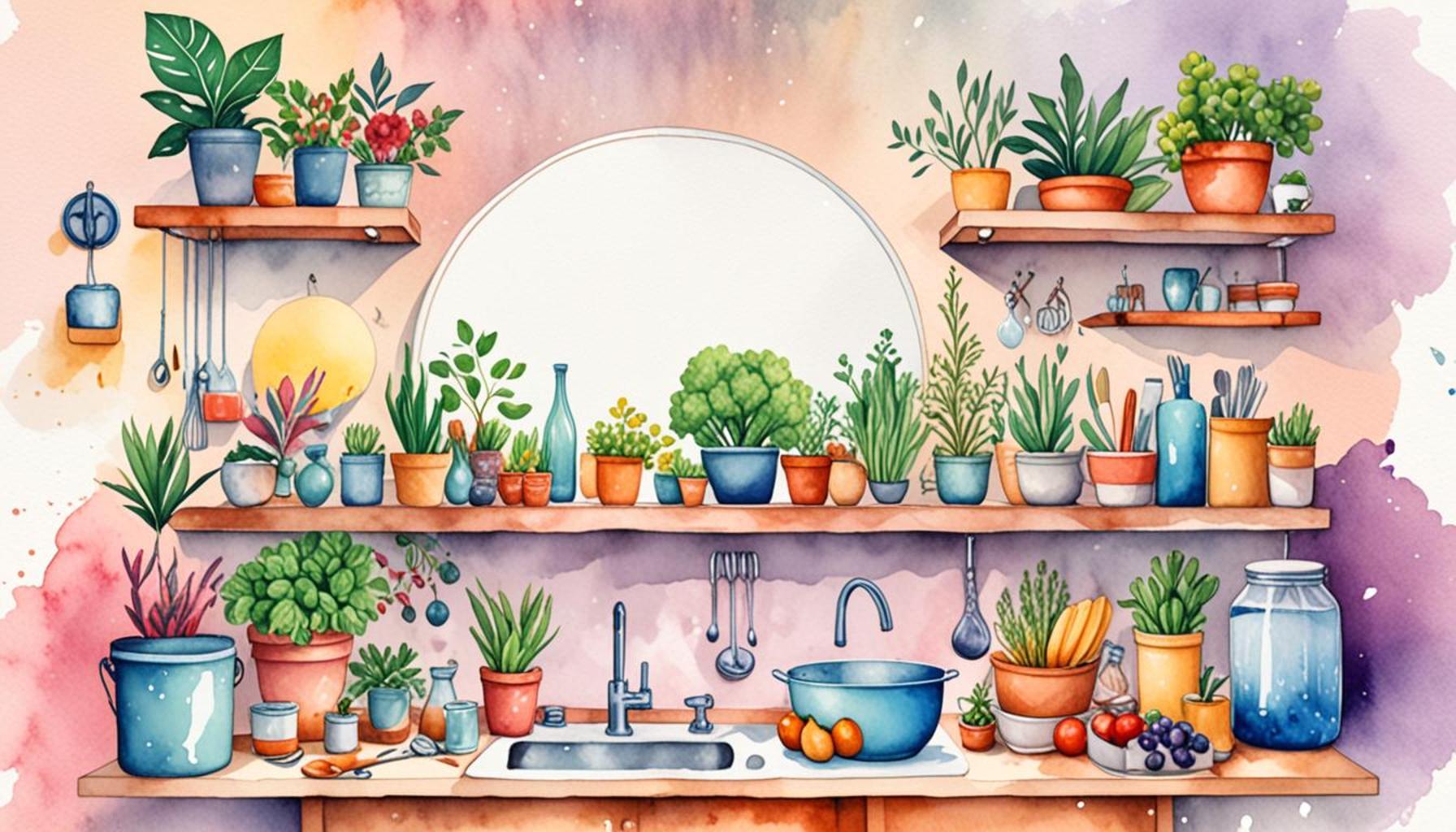
Embracing Minimalism for a Greener Tomorrow
In a world overwhelmed by consumerism, the need for conscious and sustainable living has never been more critical. Organizing your space with minimalism in mind allows for a more intentional approach to how we consume and manage resources. Not only does this foster a healthier environment, but it also enhances personal well-being and clarity.
By transforming our physical spaces, we can significantly impact our ecological footprint. Here are some compelling reasons to consider:
- Reduced Clutter: A tidy space supports mental clarity.
- Mindful Consumption: Encourages thoughtful purchasing decisions.
- Eco-Friendly Practices: Promotes recycling and reducing waste.
Prepare to dive into our ranking of the Top 5 ways to effectively organize your space for a more sustainable lifestyle. Discover practical tips and strategies that can lead you towards a conscious living approach, making your surroundings not just more beautiful, but also more responsible.
How to Organize Your Space to Facilitate Conscious and Sustainable Consumption: Top 5 Tips
With sustainability becoming increasingly urgent in our daily lives, organizing your personal space presents a significant opportunity to embrace conscious consumerism. A well-organized home is not just aesthetically appealing; it serves as a foundation to alter consumption habits towards a more sustainable path. By implementing key strategies, you can contribute positively to the planet while fostering an environment that reflects your eco-friendly values.
5. Embrace Multi-Functional Furniture
Investing in multi-functional furniture can transform your living spaces into models of efficiency and sustainability. Furniture like sofa beds, extendable dining tables, or ottomans with storage are not only practical but also reduce the necessity for multiple pieces. This approach conserves space, reduces clutter, and supports a mental shift towards owning fewer, more purposeful items.

When selecting multi-functional furniture, prioritize pieces made from sustainable materials such as reclaimed wood, bamboo, or recycled metals. Brands like IKEA and West Elm, among others, have introduced lines focusing on sustainable furniture options, which can be both stylish and ethically produced. As a result, opting for such furniture aligns your living space with your principles of sustainability without sacrificing style or comfort.
4. Categorize and Prioritize Your Items
Taking the time to categorize and prioritize your possessions is crucial to organizing a sustainable home. Begin by sorting your items into categories: keep, donate, recycle, or repurpose. This systematic approach aids in letting go of unnecessary items and highlights gaps or overabundance in certain categories.
For instance, in your wardrobe, separate the clothes you wear regularly from those you haven’t worn in the past year. Apply the same method to kitchen items, books, and electronics. Establish a designated area for items to be donated or recycled, which not only improves organization but also constantly reminds you to make mindful purchasing decisions.
3. Build an Inventory System
A comprehensive inventory system can revolutionize how you manage your belongings. Use a digital tool or spreadsheet to log items by categories such as clothing, kitchen gadgets, or personal tech. Regularly update this inventory to ensure its accuracy, thus becoming a vital tool in avoiding unnecessary purchases.
Consider incorporating elements such as purchase dates, usage frequency, and conditions. This additional data will provide insights into your consumption patterns and can identify areas where excess is common. With a clear inventory, the motivation to buy duplicates diminishes, promoting a more deliberate approach to consumption.
2. Implement a One-In, One-Out Policy
Adopting a one-in, one-out policy is a powerful strategy to regulate the influx of items into your home. This practice involves removing one item for every new one acquired, regardless of its category. Not only does this prevent clutter, but it encourages critical evaluation of needs before buying.
This policy can drastically reduce impulse purchasing. For instance, before acquiring a new book, decide which current title you’ll donate. This reflection fosters a conscientious consumer mindset, encouraging purchases that truly add value rather than serving as momentary indulgences.
1. Create a Dedicated Sustainable Space
Establishing a dedicated sustainable space within your home aligns your environment with your ecological aspirations. These spaces can become hubs for sustainable practices—a section of the kitchen for reusable bags and containers, or a nook in your office for recycled paper and stationery.
Transform an unused corner into a compost collection area or designate part of your garage for eco-friendly cleaning supplies and gardening tools. By incorporating second-hand and upcycled elements, you directly promote environmentally friendly choices. Such spaces serve as constant reminders of your resolve to live sustainably, inspiring both you and your family to prioritize eco-friendly choices.
The Bigger Picture: The Impact of Organized Spaces on Sustainability
While these tips offer a tangible pathway to transforming your home, they reflect a broader move towards responsible consumer behavior. Globally, the production and disposal of household goods contribute significantly to environmental degradation. However, by rethinking how we organize our spaces, we actively participate in mitigating such impacts.
According to the Environmental Protection Agency (EPA), the average person generates around 4.9 pounds of waste daily—much of it stemming from disposable consumer goods. A commitment to conscious consumption at home can greatly reduce this figure, demonstrating that small-scale changes collectively influence global ecological health significantly.
Conscious Consumerism: A Lifestyle Choice
Sustainable practices at home extend beyond physical organization; they represent a lifestyle choice powered by awareness and intentionality. Embarking on this journey is not only about stylish organization but about instilling long-term values and habits that extend into wider community and societal interactions.
By regularly evaluating your relationship with the items you own, mindfulness becomes a natural part of life. More than just decluttering, this reflective process encourages sharing, donating, and reducing, culminating in a life that not only respects personal space but also honors our collective responsibility to the planet.
In conclusion, these five strategies are an invitation to view your home as a microcosm of larger ecological responsibility. Aligning your personal space with sustainability principles doesn’t just enhance daily life but epitomizes conscious consumerism’s core values. Ultimately, this holistic approach fosters a more mindful and fulfilling lifestyle that prioritizes long-term well-being over short-term convenience.
| Category | Description |
|---|---|
| Space Optimization | By organizing your space, you can create functionality and minimize clutter, which leads to better decision-making and mindful consumption. |
| Sustainability Practices | Implementing eco-friendly storage solutions and reusable products helps reduce waste and promotes a sustainable lifestyle. |
| Psychological Benefits | An organized environment can lead to reduced stress and enhanced mental clarity, enabling better choices aligned with conscious consumption. |
| Community Impact | Creating a conscious space can elevate awareness in your community, encouraging collaboration and sharing of resources that enhance sustainable living. |
Exploring these categories provides deeper insights into how organizing your environment can facilitate a culture of conscious and sustainable consumption. For instance, focusing on **space optimization** not only improves accessibility but also promotes more informed choices. Each item retained should foster a sense of purpose, leading individuals to question their need for excess while inspiring deeper connections with the objects they choose to keep.Incorporating **sustainability practices** encourages individuals to utilize storage solutions that are eco-friendly. This not only preserves resources but also aids in reducing one’s carbon footprint. Utilizing items such as biodegradable containers or recycled materials not only has practical applications but exemplifies a commitment to a healthier planet.The **psychological benefits** associated with a tidy environment are significant. Numerous studies indicate that an organized space can enhance cognitive function and alleviate anxiety, allowing individuals to focus on the choices they make regarding consumption. A serene environment fosters mindful habits, reinforcing the principle of consuming only what is necessary and valuable.Lastly, the potential for **community impact** cannot be overlooked. An individual’s commitment to conscious consumption has the power to inspire kinship and collaboration among neighbors. Sharing ideas, resources, and strategies can exponentially increase the reach of sustainable living practices, showcasing that when individuals prioritize sustainability in their personal spaces, they also become stewards of change within their communities.
FAQs on Organizing Your Space for Conscious and Sustainable Consumption
How can organizing my space contribute to a more sustainable lifestyle?
Organizing your space can significantly impact your journey towards sustainability. By rearranging your belongings, you can prioritize items that are reusable, thus reducing waste. A well-organized home encourages mindful consumption by allowing you to easily locate and evaluate what you already own, reducing the likelihood of unnecessary purchases. Additionally, clear organization can lead to improved energy efficiency, as you’ll naturally gravitate towards sustainable practices such as reducing clutter around heating vents or windows.
What are some practical steps to organize my kitchen for sustainable consumption?
Begin by decluttering and identifying essential items, focusing on durability and multi-functionality. Arrange your pantry with transparency in mind; use clear jars to store bulk items and label everything to avoid food waste. Create zones based on functionality, such as a recycling station for efficient waste separation. Prioritizing energy-efficient appliances and reducing plastic use by opting for bulk buying and reusable containers are critical steps. These measures not only promote sustainability but can also cut down on expenses related to waste and overconsumption.
In what ways can I organize my wardrobe to support conscious fashion choices?
Start by conducting a wardrobe audit to assess which pieces truly reflect your personal style and are sustainably produced. Embrace a capsule wardrobe approach by selecting quality over quantity, focusing on versatile pieces that can be mixed and matched. Donate or recycle unwanted clothing responsibly to keep them out of landfills. Using storage solutions that keep your wardrobe visible can help you make more conscious fashion decisions by highlighting the items you already possess. Remember, the first step towards sustainable fashion begins with appreciating and utilizing what you already own.
How does sustainable space organization impact mental health?
The direct correlation between a tidy environment and mental well-being is well-documented. A thoughtfully organized space can lead to a reduced stress level, as it cultivates a sense of calm and order. Clutter has been found to increase cortisol levels, thereby affecting mood and mental clarity. Transitioning to a sustainable living approach further enhances this effect, as living with purpose often brings about feelings of satisfaction and well-being. In essence, a well-organized and environmentally conscious space doesn’t just nurture the planet—it nurtures the mind as well.
What role does minimalism play in sustainable space organization?
Minimalism comes hand in hand with sustainable practices by encouraging thoughtful consumption. Adopting a minimalist mindset means focusing on quality over quantity, which naturally reduces waste. It allows you to create an environment that celebrates necessity, aesthetics, and functionality. Minimalism drives you to be more intentional with your purchases, fostering a deeper appreciation for each item, and ultimately leading to a more sustainable lifestyle. Thus, embracing minimalism can drastically alter your relationship with your environment and resources, making it an essential component of sustainable living.
Conclusion
In a world where consumerism often leads to clutter and waste, organizing your space to promote conscious and sustainable consumption is more crucial than ever. Embracing a minimalist mindset fosters an environment where you can prioritize quality over quantity, making intentional choices that not only benefit your well-being but also the planet.
Throughout this article, we have explored several strategies to achieve a sustainable and organized living space. Identifying what truly matters to you is the first step, allowing you to declutter possessions that no longer serve a purpose. Effective storage solutions and organizing methods can help maintain a tidy environment, reducing stress and enhancing productivity in your daily life. Additionally, we discussed the importance of opting for sustainable products and practices, encouraging you to support brands that align with eco-friendly values.
Another essential element is to create a harmonious and efficient arrangement of your belongings, making them easily accessible while minimizing waste. Lastly, the power of habit should not be underestimated; regularly assessing and reevaluating your space ensures that you remain aligned with your conscious consumption goals.
By summarizing the aforementioned key points, organizing your space for conscious and sustainable consumption not only leads to a more fulfilling lifestyle but also contributes to broader environmental and societal benefits. This approach encourages individuals to think critically about their impact, ultimately fostering a culture of mindfulness and responsibility. As you apply these insights, you’ll not only discover the joy in simplicity but also join a growing movement towards a more sustainable future. Continually exploring and learning about new methods of organization and minimalism can transform your perspective, encouraging you to embrace a lifestyle that’s both purposeful and environmentally sound.